
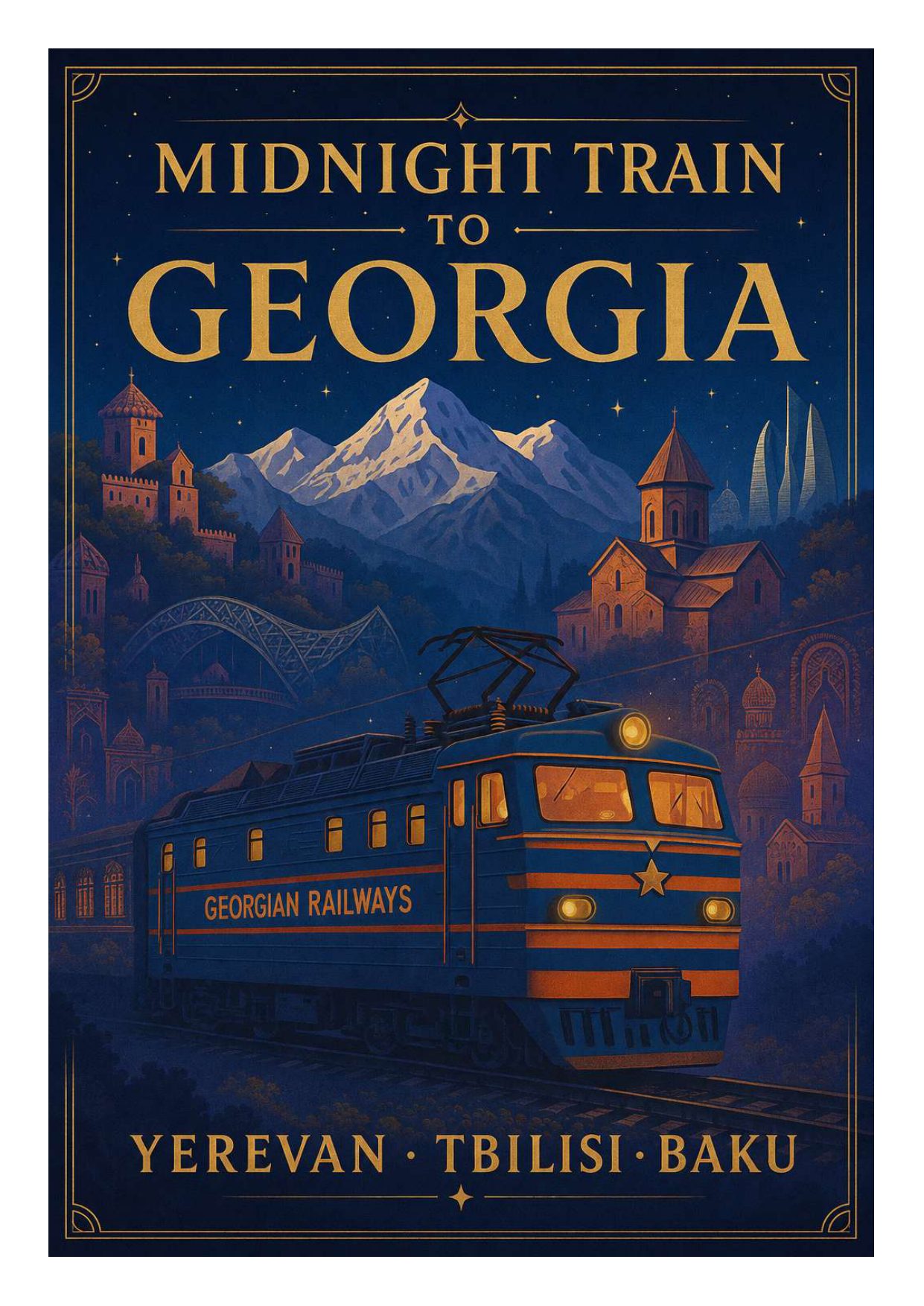
Midnight Train to Georgia
Yerevan, Tbilisi and Baku
A journey through the South Caucasus uncovers three remarkably different worlds. From Armenia's ancient monasteries and Georgia's mountain traditions to Azerbaijan's futuristic capital, this adventure explores the people, history and landscapes that make Yerevan, Tbilisi and Baku unforgettable destinations.
Yerevan — Ancient Origins
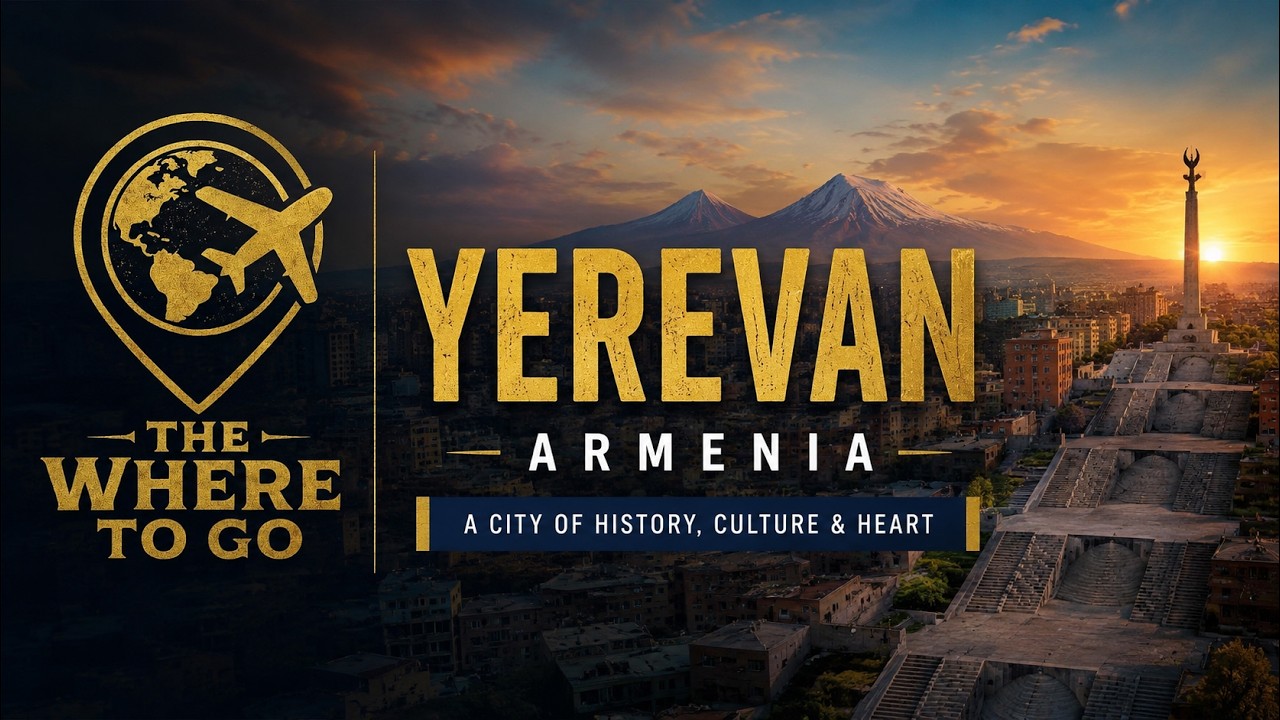
Yerevan is one of the world's oldest continuously inhabited cities, with a history stretching back to 782 BC when the fortress of Erebuni was founded by King Argishti I of Urartu. Set beneath the iconic silhouette of Mount Ararat, the city has witnessed the rise and fall of numerous empires, including Persian, Roman, Byzantine, Arab, Ottoman and Russian rule. This remarkable heritage has shaped a city where ancient traditions remain deeply woven into everyday life.
Yerevan — The Pink City
Following the Armenian Genocide of 1915, Yerevan emerged as the cultural and political heart of the Armenian people and later became the capital of independent Armenia. Much of the city was redesigned during the Soviet era, creating broad avenues, grand public squares and distinctive buildings constructed from pink volcanic tuff stone. These striking structures earned Yerevan its enduring nickname, 'The Pink City.'
Yerevan Today
Today, Yerevan combines historical significance with a lively contemporary atmosphere. Armenian culture is expressed through its churches, museums, literature, music and strong family traditions, while bustling cafés and public spaces create a welcoming environment. From Republic Square to the Cascade Complex, the city celebrates both its ancient origins and its continuing role as the centre of Armenian identity, resilience and national pride.
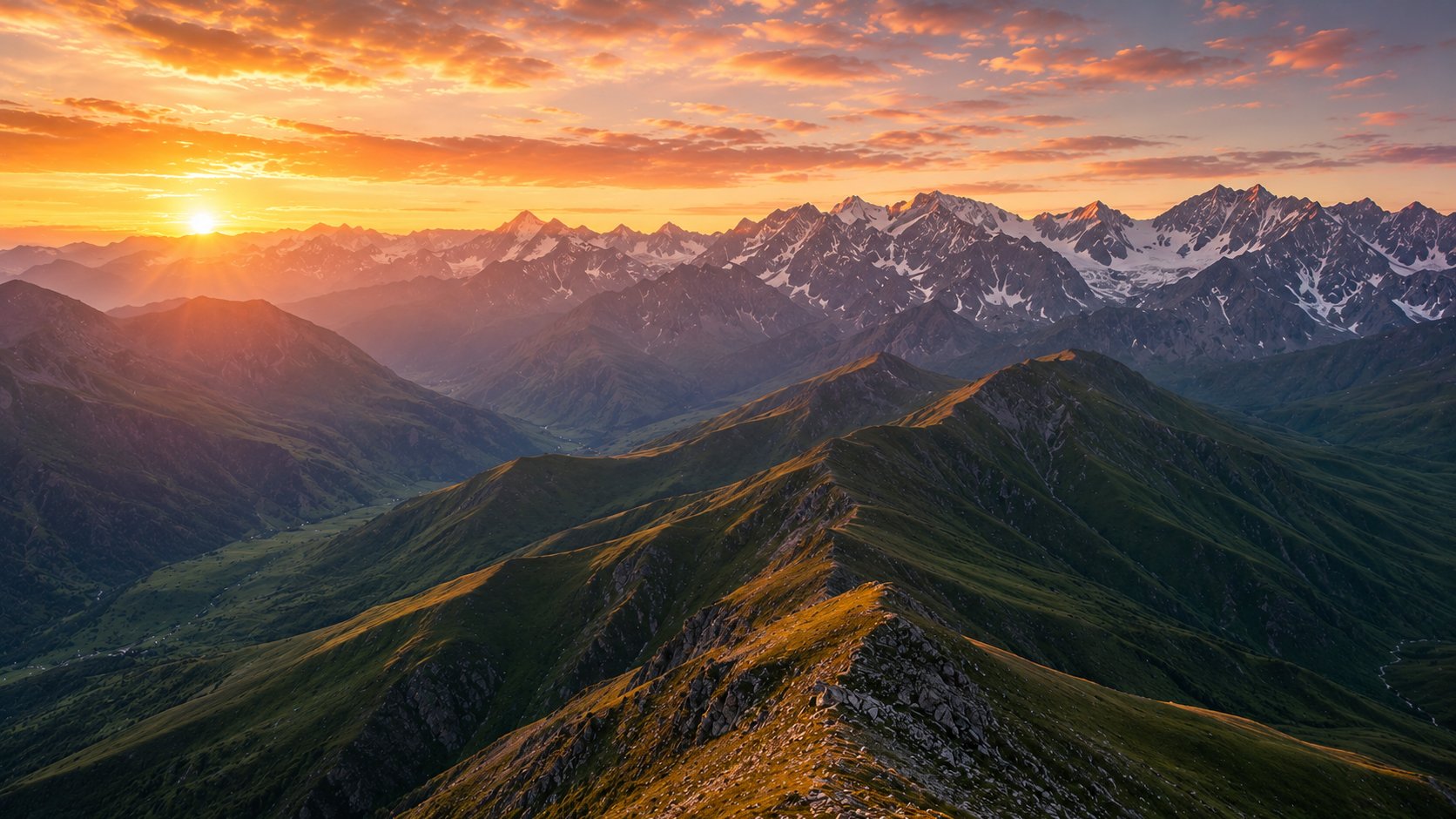
Three capitals, three alphabets, three faiths — bound together by the stunning mountain range that rises between them.
Tbilisi — Crossroads of Empires
Tbilisi, the capital of Georgia, has occupied a strategic position between Europe and Asia for more than fifteen centuries. According to legend, King Vakhtang Gorgasali founded the city in the fifth century after discovering its natural hot springs. Situated along important trade routes, Tbilisi became a prized possession for Persians, Arabs, Mongols, Ottomans and Russians, each leaving lasting influences on the city's architecture, culture and traditions.
Tbilisi — Old Town Charm
These diverse influences have created one of the most distinctive cities in the Caucasus region. The atmospheric Old Town is characterised by winding streets, colourful houses, ornate wooden balconies and centuries-old churches. Eastern and Western traditions coexist throughout the city, reflecting Georgia's unique position at the crossroads of continents and cultures.
Tbilisi Today
Modern Tbilisi balances its rich heritage with a vibrant creative spirit. Georgian culture is renowned for its hospitality, polyphonic singing, traditional dance and winemaking traditions that rank among the oldest in the world. Alongside historic landmarks are contemporary galleries, fashionable cafés and lively public spaces. As the nation's capital, Tbilisi remains the heart of Georgian identity, where history, faith and tradition continue to shape everyday life.
Baku — Caspian Gateway
Baku, the capital of Azerbaijan, occupies a dramatic setting on the western shores of the Caspian Sea and has long served as a bridge between East and West. Its history extends back many centuries, with the walled Old City of Icherisheher preserving evidence of medieval trade, Islamic scholarship and regional power. The city's strategic location helped establish it as an important centre of commerce and cultural exchange throughout its history.
Baku — The Oil Boom
During the nineteenth century, Baku underwent extraordinary transformation as one of the world's leading oil-producing centres. Vast oil wealth attracted entrepreneurs, architects and investors from across Europe and Asia, reshaping the city and accelerating its development. This period left a legacy of elegant architecture and grand boulevards that continue to define much of Baku's urban landscape today.
Baku Today
Modern Baku is a striking blend of ancient heritage and contemporary ambition. Historic landmarks such as the Maiden Tower and the Palace of the Shirvanshahs stand alongside innovative structures including the iconic Flame Towers. Azerbaijani culture reflects influences from Turkic, Persian, Russian and Caucasian traditions, creating a distinctive identity. With its waterfront promenade, impressive architecture and dynamic atmosphere, Baku showcases a nation confidently embracing both its past and its future.
The South Caucasus videos
Three short videos from the journey — click any thumbnail to open it on YouTube.


Take the full travel guide with you
The downloadable travel guide provides a detailed commentary along with a collection of pictures. The guide is intended to inform and encourage you.