

Saudi Surprises
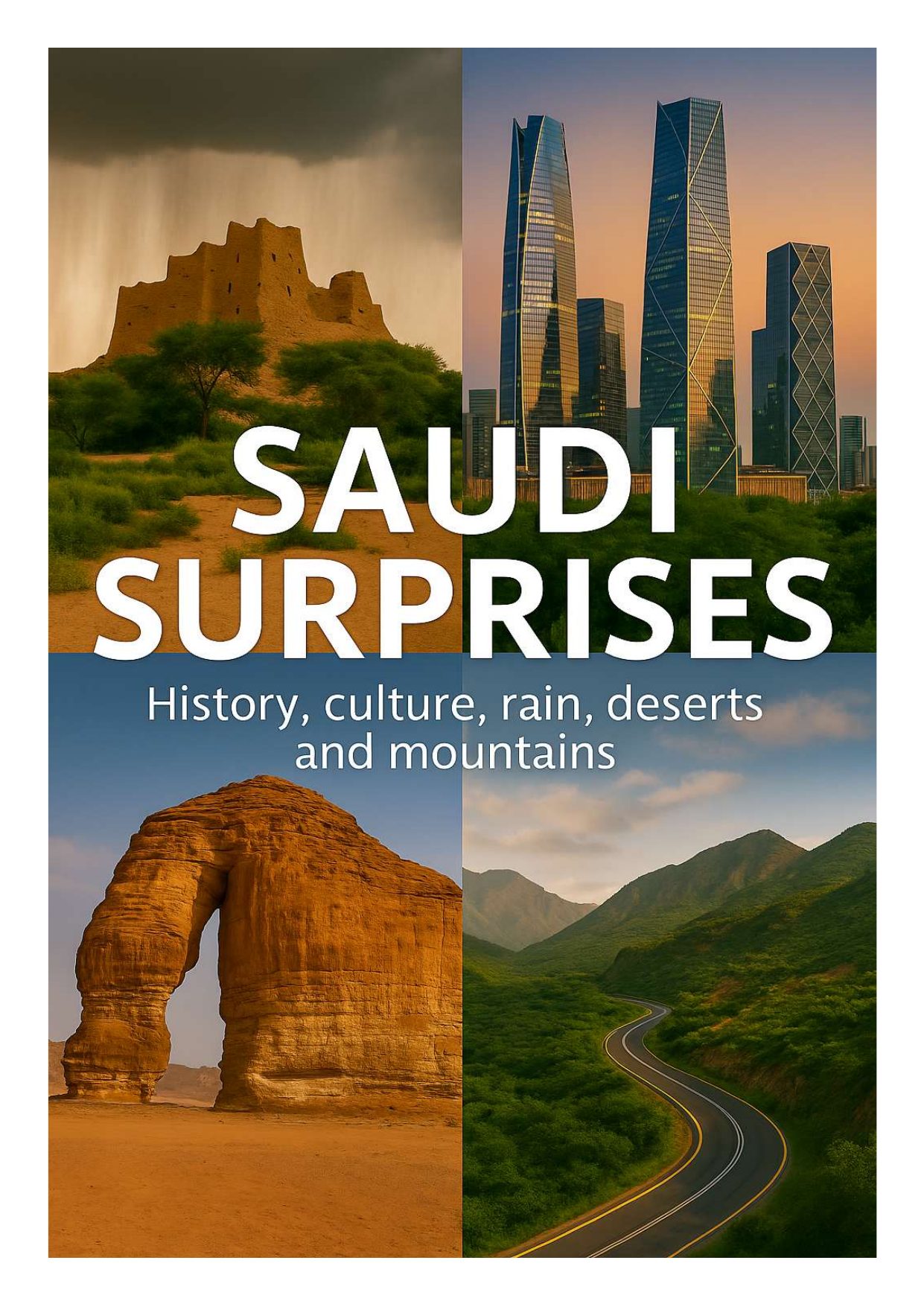
History, culture, rain, deserts and mountains
Saudi Arabia is a nation of striking contrasts, where ancient traditions, sacred heritage and vast deserts meet futuristic cities and bold ambition. Rapidly transforming under Vision 2030, the Kingdom now invites travellers to explore its culture, landscapes and archaeological treasures as it redefines itself for a new era.
Abha
Set high in the Asir Mountains, Abha offers a very different side of Saudi Arabia, with cooler temperatures, dramatic scenery and occasional winter snowfall. The city combines mountain landscapes, traditional culture and modern tourism, making it one of the Kingdom's most refreshing and unexpected destinations.
Al Ahsa
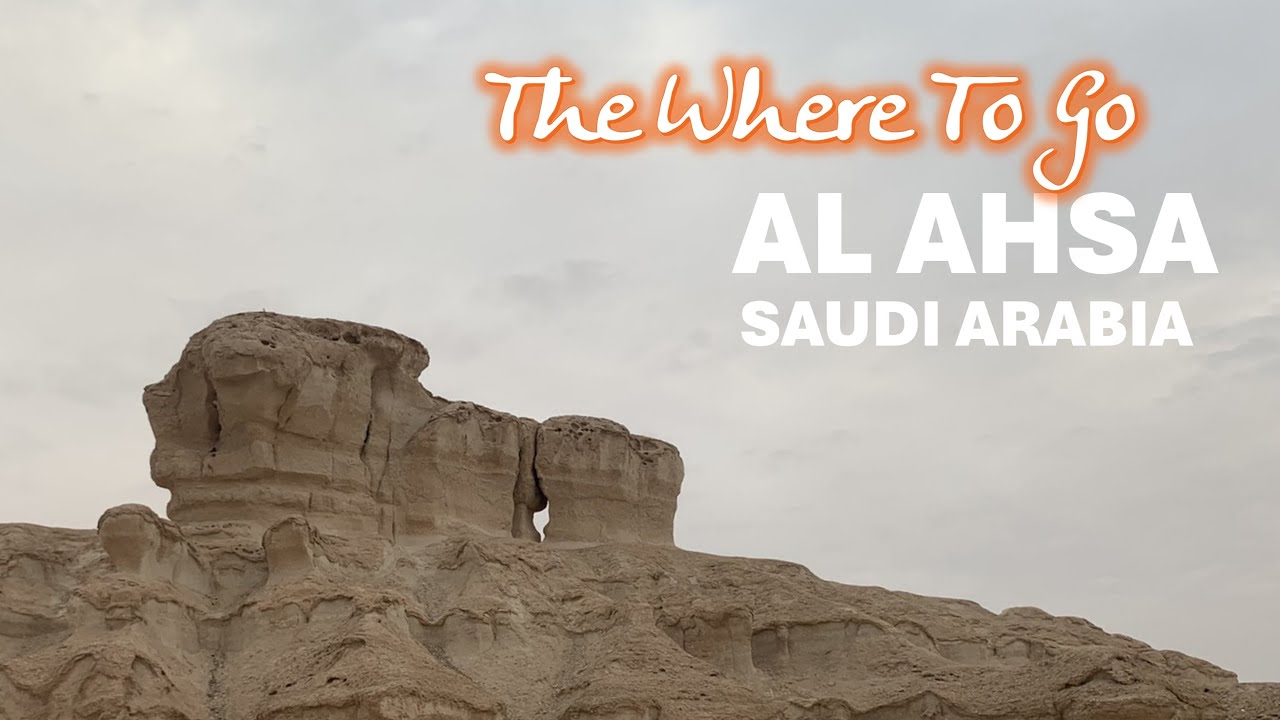
Al Ahsa is one of the world's largest natural oases, famous for its vast palm groves, freshwater springs and deep historical significance. Recognised by UNESCO, the region blends ancient heritage, traditional architecture and a surprisingly lush landscape in the heart of eastern Saudi Arabia.
If you want to see a place change in real time, Saudi Arabia in 2026 is the trip.
Al Bahah
Surrounded by forests, mountains and steep valleys, Al Bahah is among Saudi Arabia's most scenic regions. The area is known for its cooler climate, traditional stone villages and mist-covered landscapes, offering a peaceful contrast to the Kingdom's deserts and rapidly expanding cities.
Al Ula
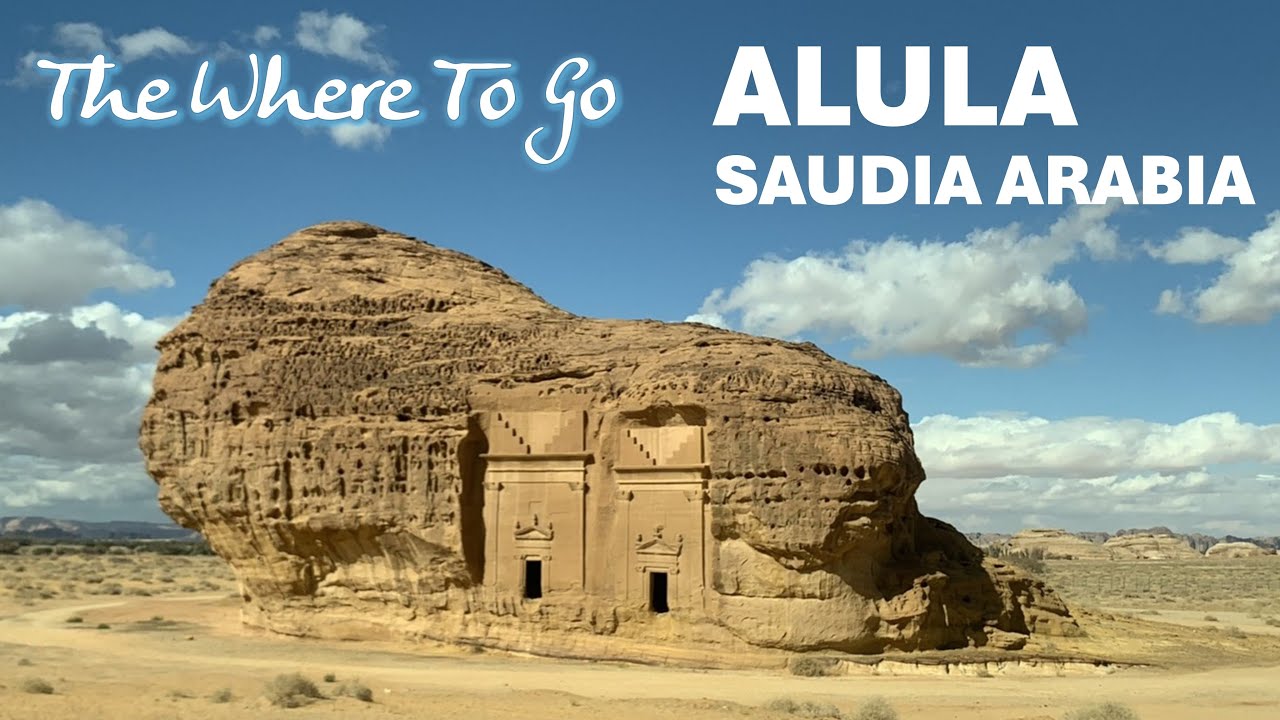
Al Ula is Saudi Arabia's great historical treasure; a spectacular desert landscape filled with sandstone formations, ancient tombs and archaeological wonders. The UNESCO-listed site of Hegra reveals the legacy of the Nabataeans, while luxury resorts and cultural projects are transforming the region into a world-class destination.
Dammam & Dhahran
Dammam and neighbouring Dhahran form the commercial heart of Saudi Arabia's Eastern Province. Closely connected to the Kingdom's oil industry and the headquarters of Saudi Aramco, the area combines modern business districts, waterfront developments and a growing cultural and educational scene.
Duba & Yanbu
Positioned along the Red Sea coast, Duba and Yanbu offer striking seascapes, clear waters and important maritime history. Yanbu combines industry with an attractive waterfront, while Duba provides access to quieter coastal scenery, desert landscapes and routes towards Saudi Arabia's northwestern frontier.
Farasan Islands
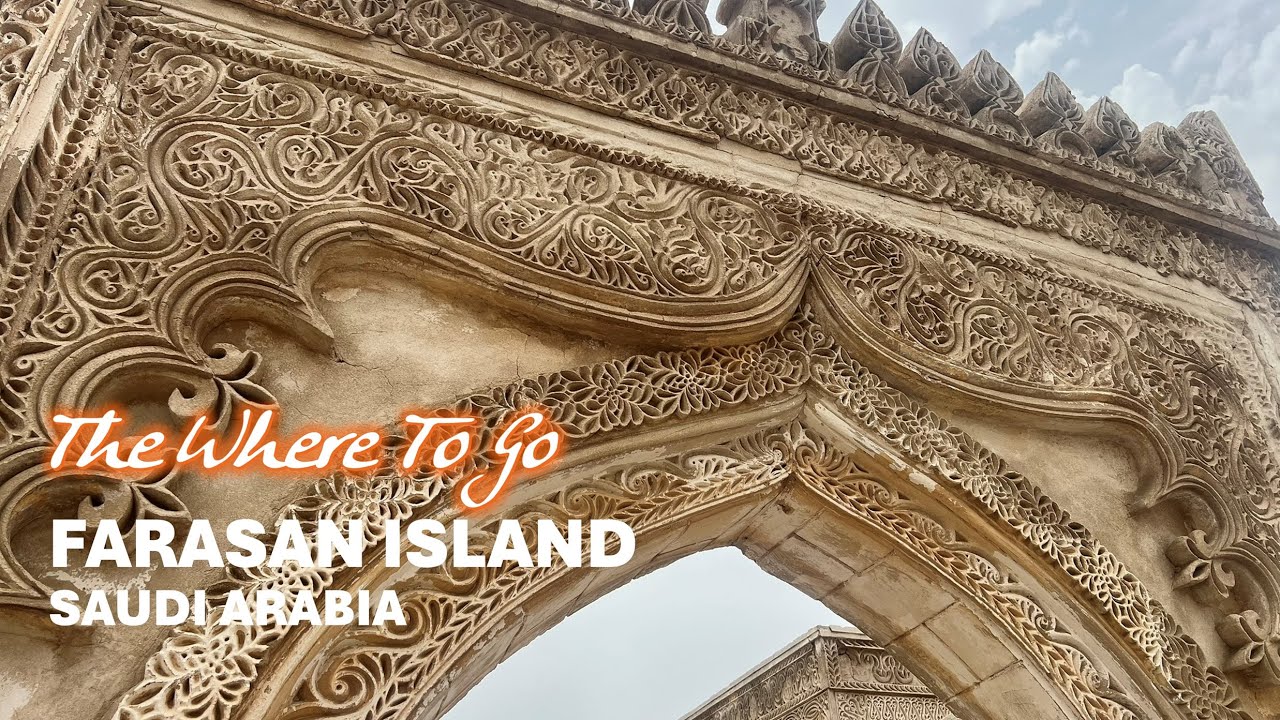
The Farasan Islands are one of Saudi Arabia's hidden natural gems, scattered across the southern Red Sea near Jazan. Known for coral reefs, pristine beaches and rich marine life, the islands offer exceptional diving, wildlife and a far more tropical atmosphere than many expect from Saudi Arabia.
Ha'il
Ha'il lies at the crossroads of Saudi Arabia's desert interior and is deeply connected to Bedouin culture and Arabian history. Surrounded by dramatic mountains and famous for nearby prehistoric rock art at Jubbah, the city offers a fascinating blend of archaeology, heritage and desert scenery.
Jazan
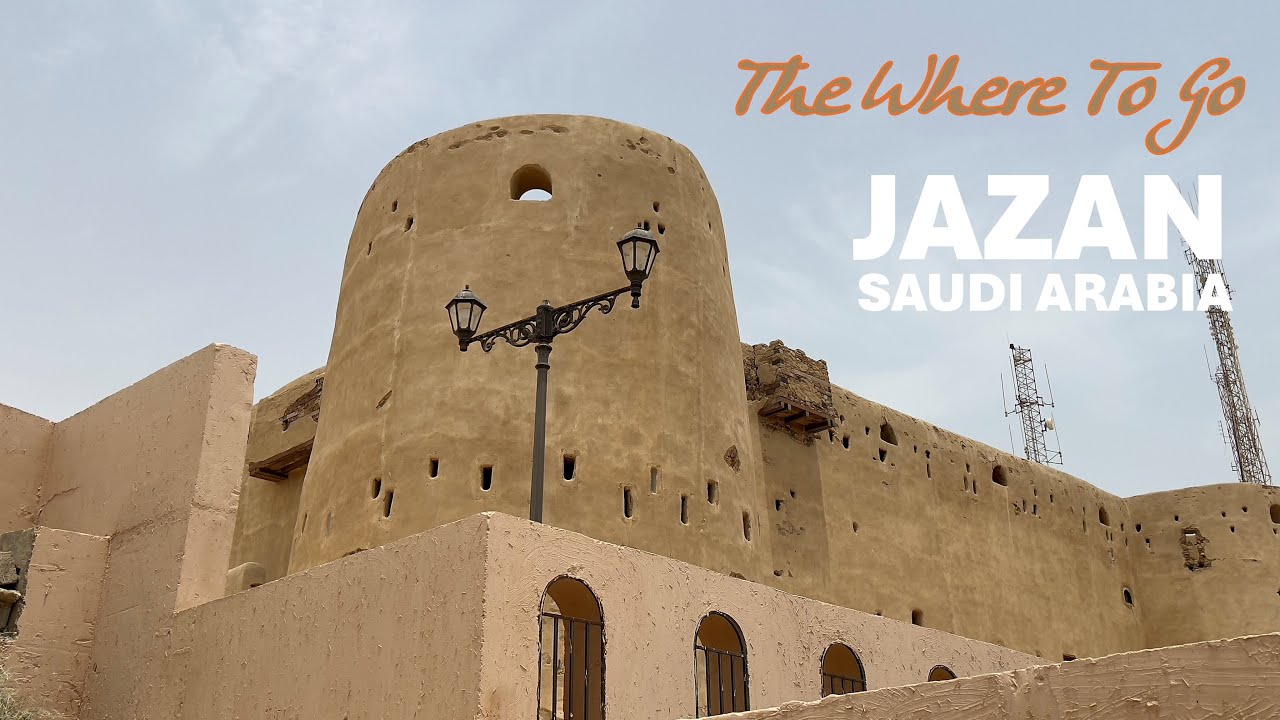
Located close to the Yemeni border, Jazan is one of Saudi Arabia's most culturally distinctive and geographically diverse regions. The area combines tropical coastlines, fertile mountains and traditional villages, while also serving as the gateway to the beautiful Farasan Islands in the Red Sea.
Jeddah
Jeddah is Saudi Arabia's great Red Sea city. Its ancient coral-stone old town contrasts sharply with modern skyscrapers and a spectacular waterfront corniche, while the city's relaxed atmosphere makes it one of the Kingdom's most engaging, cosmopolitan, energetic and historically significant destinations.
Jubail & Tarout
Jubail represents Saudi Arabia's industrial ambition, housing one of the world's largest petrochemical complexes alongside modern residential districts and coastal parks. Nearby Tarout Island offers something entirely different, preserving traces of ancient Gulf civilisation, traditional fishing communities and historic fortifications.
KAEC
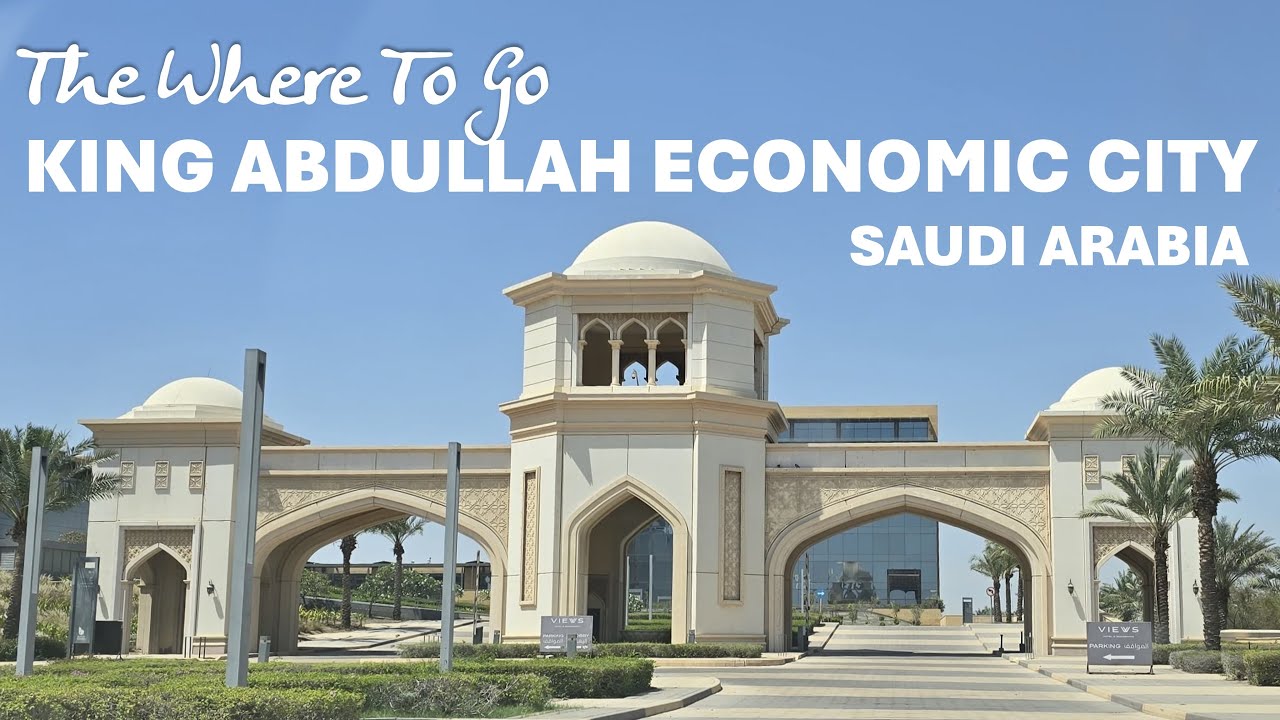
King Abdullah Economic City (KAEC) is one of Saudi Arabia's flagship modern developments on the Red Sea coast. Designed as a futuristic business and residential hub, the city combines industry, luxury housing, leisure facilities, marinas and high-speed rail connections within an ambitious master-planned environment.
Najran
Najran, close to the Yemeni border, is one of Saudi Arabia's most historically and culturally distinctive cities. The region is known for mudbrick architecture, ancient archaeological sites and a unique cultural identity shaped by centuries of trade routes linking Arabia with the wider Middle East.
Riyadh
Riyadh is a city of transformation where traditional Saudi heritage meets vast modern ambition. Skyscrapers, financial districts, entertainment projects and an expanding metro system sit alongside historic fortresses and museums, reflecting the Kingdom's determination to redefine itself through the Vision 2030 programme.
Tabuk
Tabuk serves as the gateway to northwestern Saudi Arabia and the vast futuristic developments planned along the Red Sea coast. Surrounded by mountains, desert landscapes and important archaeological sites, the region combines strategic importance with increasingly ambitious tourism and infrastructure projects.
Taif
High in the mountains east of Mecca, Taif has long been regarded as Saudi Arabia's summer retreat thanks to its cooler climate and elevated setting. Famous for rose cultivation, mountain scenery and traditional markets, the city offers a gentler and greener side of the Kingdom.
Saudi Arabia videos
16 short videos from the journey — click any thumbnail to open it on YouTube.









Take the full travel guide with you
The downloadable travel guide provides a detailed commentary along with a collection of pictures. The guide is intended to inform and encourage you.