
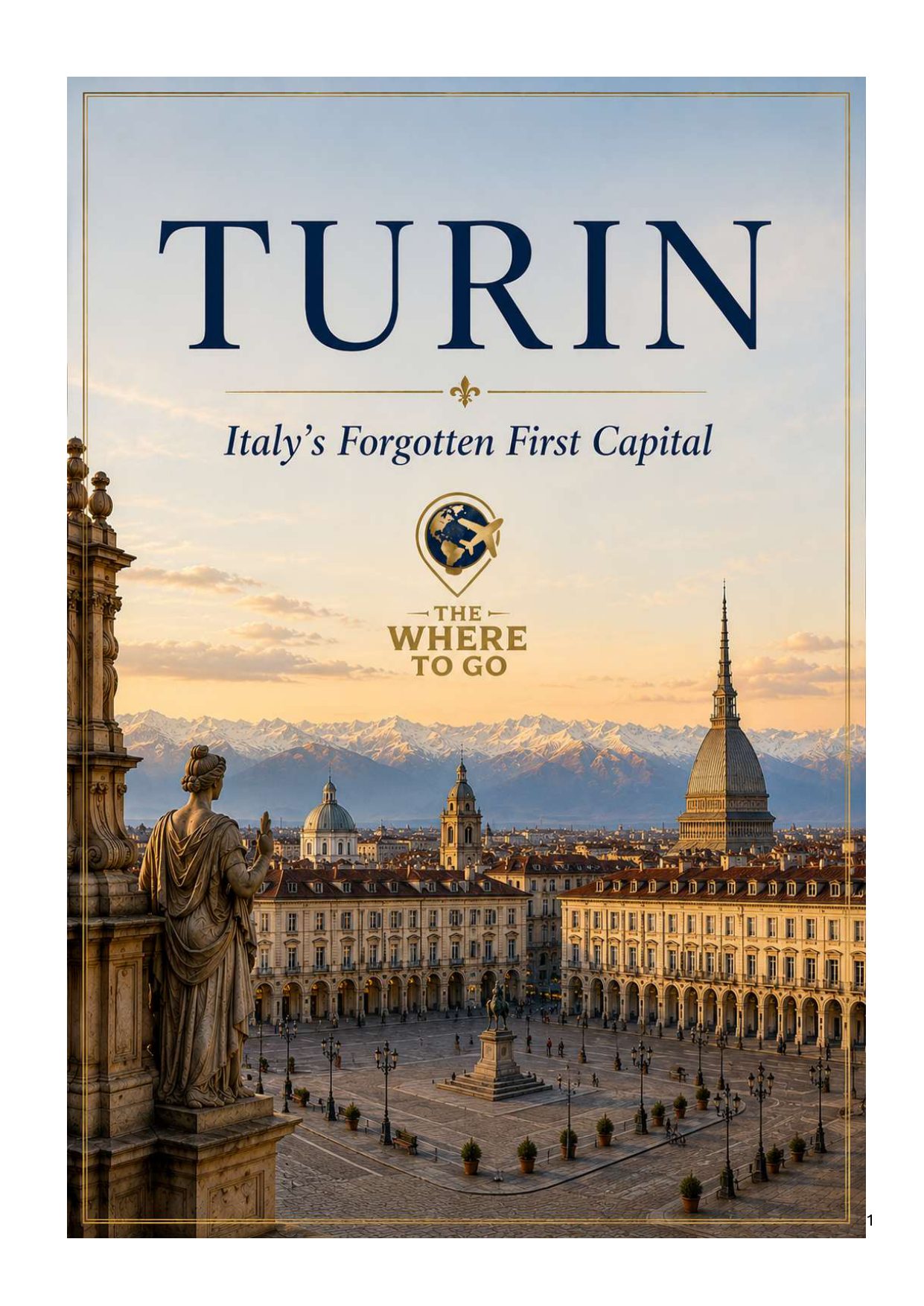
Turin
Italy's Forgotten First Capital
Turin is a city of grand boulevards, royal palaces and industrial innovation, where Roman origins meet Baroque elegance beneath the Alps. Once the first capital of a unified Italy, it remains one of the country's most fascinating yet overlooked destinations, rich in culture, history and architectural splendour.
Chiesa della Santissima Annunziata
Completed in 1658 for the Theatine order, the Chiesa della Santissima Annunziata is an understated Baroque church often overlooked by visitors. Its elegant interior contains a full-size replica of the Holy Shroud and reflects Turin's transformation into a European capital under the House of Savoy.
Mole Antonelliana
The Mole Antonelliana is Turin's unmistakable landmark and one of Europe's most distinctive buildings. Originally intended as a synagogue, it became a monument to Italian unification and now houses the Museo Nazionale del Cinema, with spectacular panoramic views across the city and Alps.
Roman gates, Savoy palaces, and the birthplace of Fiat — all beneath the snow-capped Alps.
Piazza Castello
Piazza Castello has been Turin's political and historical heart for centuries. Surrounded by palaces, theatres and government buildings, this vast square showcases the city's royal heritage and Baroque grandeur while occupying the site of ancient Augusta Taurinorum's eastern gateway.
Palazzo Madama
Palazzo Madama tells Turin's story in a single building. Roman foundations, medieval towers and a magnificent Baroque façade combine to create one of Italy's most fascinating architectural landmarks. It later served as the first Senate of unified Italy.
Palazzo Reale di Torino
Once home to the House of Savoy, Palazzo Reale di Torino showcases the wealth and power of Italy's former ruling dynasty. Behind its restrained exterior lies a lavish world of gilded halls, grand staircases, royal apartments and remarkable artistic treasures.
Cattedrale di San Giovanni Battista
Cattedrale di San Giovanni Battista is Turin's only Renaissance church and the spiritual home of the city's most famous relic. While the celebrated Holy Shroud remains hidden from public view, the cathedral's history and significance continue to attract pilgrims from around the world.
Porta Palatina
Dating from the 1st century BC, Porta Palatina is among the best-preserved Roman city gates anywhere in the world. Once part of Augusta Taurinorum's defensive walls, it provides a striking reminder of Turin's ancient origins and remarkable continuity.
Santuario della Consolata
Santuario della Consolata is one of Turin's most cherished religious sites. Its origins stretch back over a thousand years, while its richly decorated interior blends Romanesque, Baroque and Neoclassical influences into a remarkable expression of faith and artistry.
Mastio della Cittadella
Mastio della Cittadella is the last surviving section of Turin's vast sixteenth-century fortress. Closely associated with the famous Siege of Turin in 1706, it preserves the memory of the city's military past and the resilience of its defenders.
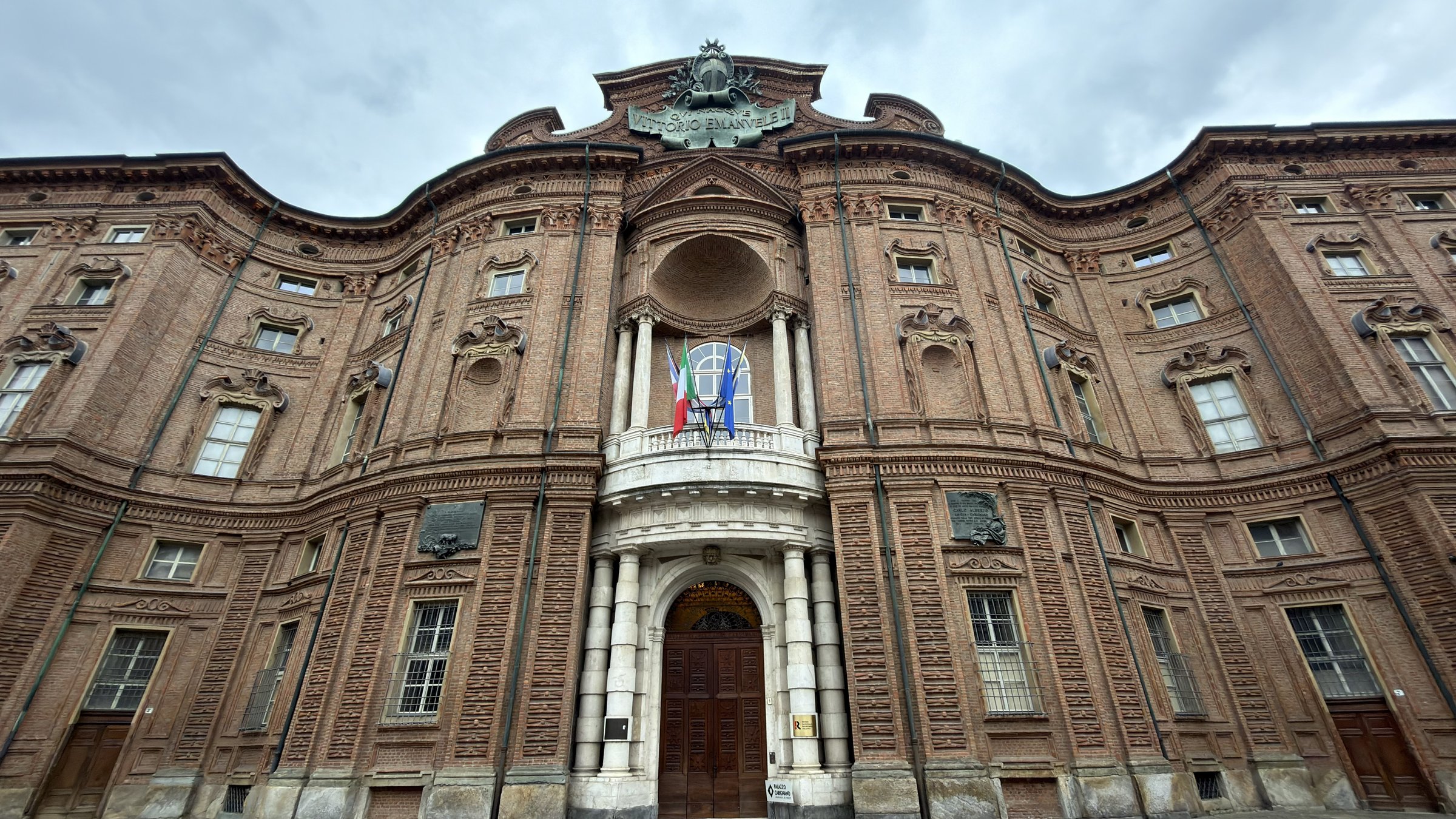
Palazzo Carignano
Palazzo Carignano is one of Turin's architectural masterpieces. Its dramatic curved Baroque façade contrasts with a later Neoclassical frontage, reflecting the building's evolution from royal residence to political centre and birthplace of Italy's first king.
Museo Egizio
Museo Egizio is widely regarded as one of the world's finest collections of Egyptian antiquities outside Egypt. Spread across several floors, its vast collection of statues, papyri, mummies and reconstructed tombs offers an extraordinary journey into ancient civilisation.
Piazza San Carlo
Known as Turin's elegant outdoor drawing room, Piazza San Carlo is a masterpiece of Baroque urban planning. Surrounded by graceful arcades and framed by twin churches, it remains one of Italy's most beautiful and harmonious public spaces.
Arco Monumentale all'Artigliere
Arco Monumentale all'Artigliere commemorates the bravery and sacrifice of Italian artillerymen. Standing proudly within Parco del Valentino, the impressive monument combines patriotic symbolism with striking architectural detail and serves as a lasting tribute to military service.
Parco del Valentino
Parco del Valentino is Turin's most beloved green space, stretching along the banks of the River Po. Tree-lined avenues, landscaped gardens and riverside paths provide a peaceful retreat from the city's grand avenues and historic landmarks.
Castello del Valentino
Set within Parco del Valentino, Castello del Valentino is an elegant riverside residence and one of the former Savoy royal estates. Its distinctive French-inspired architecture earned it recognition as part of Turin's UNESCO-listed royal residences.
Centro Storico Fiat
Centro Storico Fiat celebrates the company that transformed Turin into Italy's industrial powerhouse. Historic vehicles, engines, documents and memorabilia chart the remarkable story of Fiat and its profound influence on both the city and the nation.
Museo Nazionale dell'Automobile
Museo Nazionale dell'Automobile is one of Europe's premier motoring museums. Featuring more than a century of automotive innovation, it showcases iconic vehicles from around the world while highlighting Turin's central role in the development of the motor industry.
Lingotto
Lingotto stands as a powerful symbol of Turin's industrial heritage. Once Fiat's revolutionary factory complex, complete with a rooftop test track, it has been transformed into a vibrant district featuring shops, hotels, cultural venues and modern architecture.
The Turin video
Press play to open the playlist on YouTube.

Take the full travel guide with you
The downloadable travel guide provides a detailed commentary along with a collection of pictures. The guide is intended to inform and encourage you.